
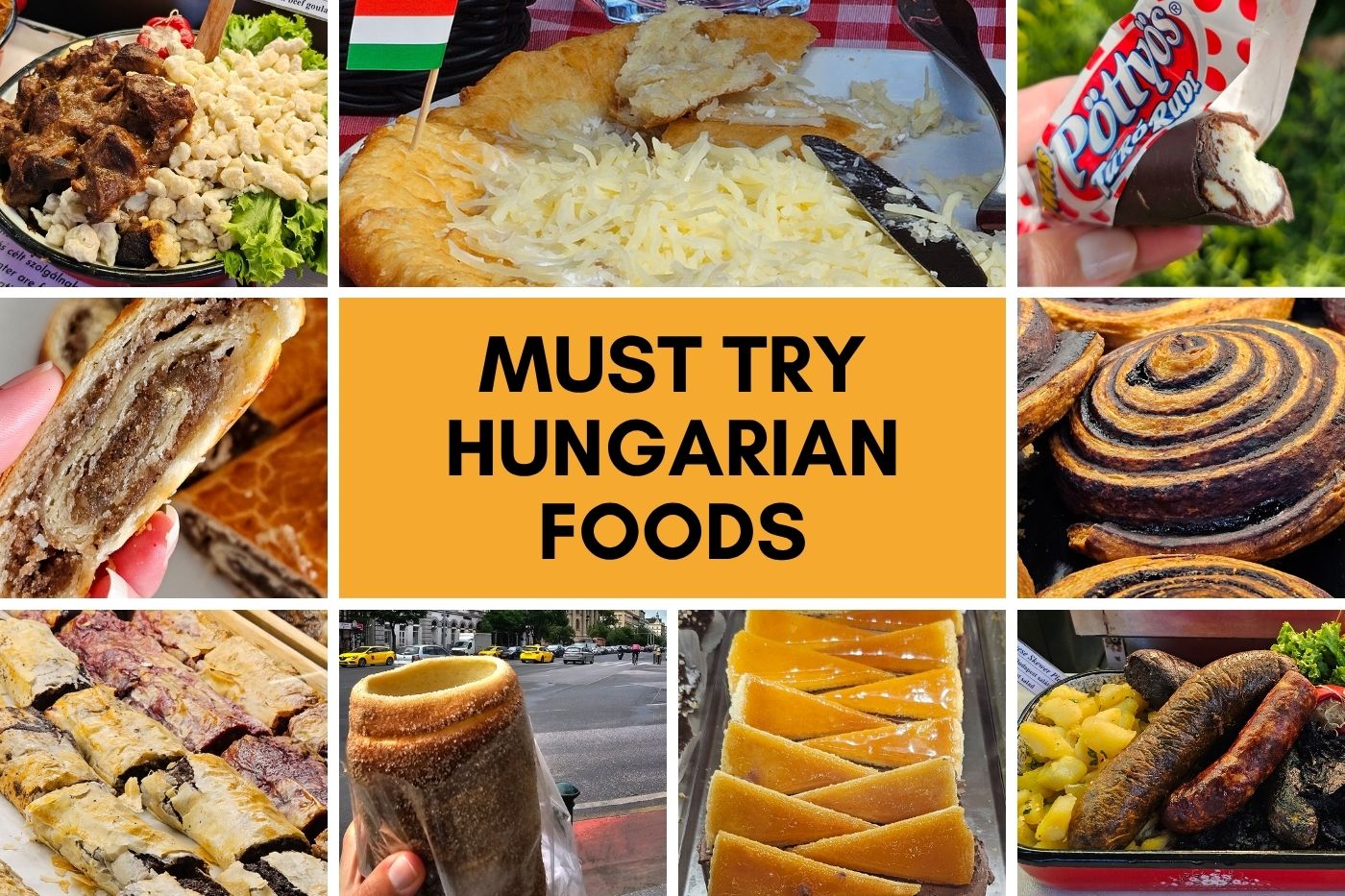
15 Must Try Hungarian Foods – A Local’s Guide To What To Eat In Budapest
When people arrive in Budapest, one of the first questions they ask is: “So, what are the must-try Hungarian foods?” And honestly – I get it. Wherever we travel in the world, filling the tummy always comes first!
If you’re a foodie who loves lively, flavorful dishes that tell a story with every bite, you’re going to fall head over heels for Hungarian cuisine. It’s comforting, rich, sometimes a little indulgent, and always bursting with flavor – whether it’s a hearty main dish, a quick snack you munch on while wandering Budapest’s streets, or something sweet to accompany your coffee.
We have so many excellent dishes and bites that if I tried to list them all, you’d probably gain a few kilos just by reading. So instead, here’s a selection of the most popular and truly must-try traditional Hungarian foods – the ones you simply can’t miss when you’re in Hungary. I’ve also sprinkled in a few tips along the way: where to find the best versions, which flavors to choose, and how we actually eat them – turning this article into an actually helpful insider food guide. That way, you’ll know not just what to taste, but how to enjoy it like a local!

Disclosure: This post may contain affiliate links, which means I may receive a small commission, at no extra cost to you, if you make a purchase through my link.
The Classics: Hearty Dishes That Define Hungarian Cuisine
If you’ve ever wondered what Hungarian food is really about, let me tell you – it’s comfort, warmth, and a lot of paprika. These are the dishes we grew up with, the ones that fill the kitchen with that unmistakable smell of slow-cooked onions, meat, and spice. They’re rich, bold, and unapologetically satisfying – the kind of food that makes you forget about portion control. So, if you really want to taste Hungary, start with these dishes.
Gulyás – Goulash Soup & Stew
There’s always a little confusion around gulyás. It actually can be two different dishes: a soup and a stew-like main dish. It varies from region to region and even from household to household – some make it thicker and heartier, others prefer it more soupy.
The soup version (gulyásleves) is hearty and full-bodied: a rich paprika-spiced broth with tender beef, potatoes, and vegetables. It’s filling and incredibly tasty, yet still a soup, usually served as a first course (though you can skip the next dish if you’re not extremely hungry!).
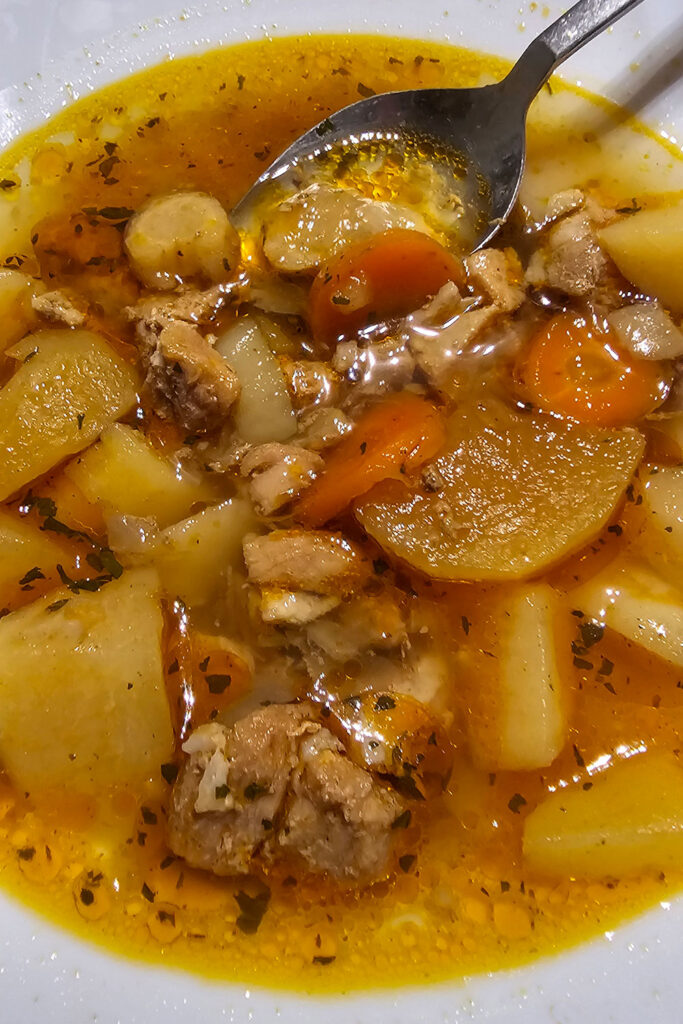
Then there’s the thicker cousin, the gulyás stew, which ditches most of the broth and doubles down on richness and depth. The meat is slow-cooked until it practically melts in your mouth. We usually serve it with a side of fresh bread, and sometimes even with small noodles called csipetke added right in (some say it resembles the American-style goulash, though that one is usually made with ground beef).
Both are authentic, comforting, and a perfect introduction to how Hungarians do flavor. In restaurants, you’ll usually find the thicker, stew-like version served as a main dish.
Pörkölt – Meat Stew
Attention meat-lovers – here comes pörkölt, the full-on Hungarian dish. This meat stew (commonly made with beef, pork, or veal) is slow-cooked in paprika, onions, and a little bit of love. Unlike gulyás, it’s thick and saucy, perfect for soaking up with a side of nokedli (little Hungarian dumplings) that are practically made for this dish.
Traditionally, every Hungarian family has their own cherished version. It’s not uncommon to hear, “Ah, but you haven’t tasted my pörkölt yet!” The secret? Often a pinch more paprika, a dash of wine, or a special blend of spices passed down through generations. It’s the kind of dish that sparks friendly debates over which family holds the best recipe.
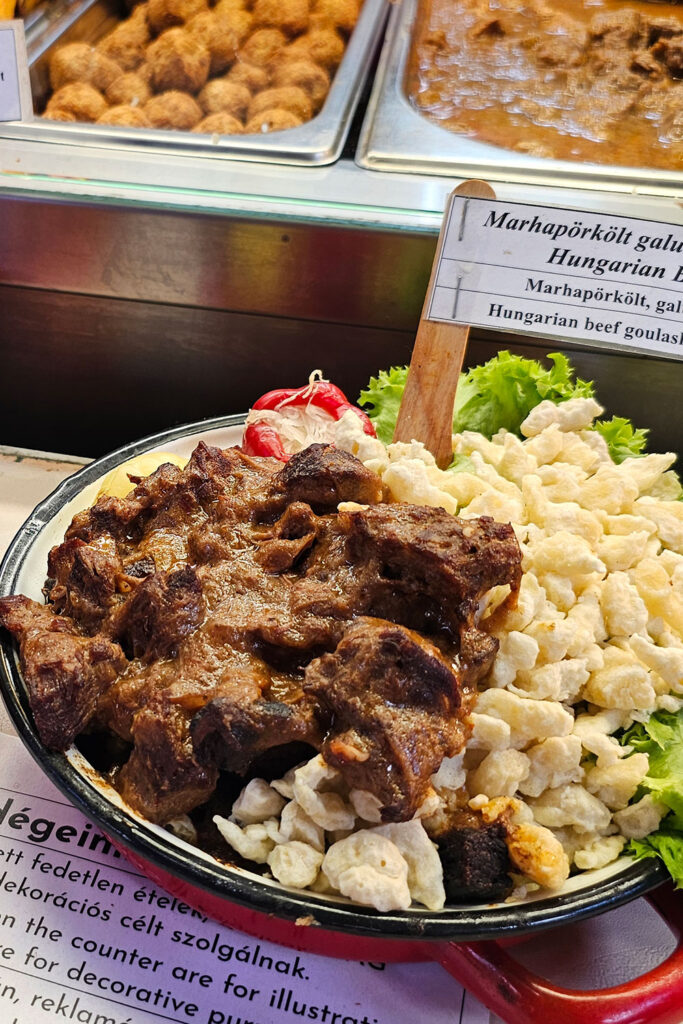
Rich, satisfying, and deeply flavorful, pörkölt is the kind of meal you want to linger over. Usually, it’s paired with a glass of Hungarian wine to complement its hearty taste. For an authentic experience, consider a glass of Egri Bikavér (Bull’s Blood), a robust red wine that stands up to the dish’s richness.
Lecsó – Hungarian Ratatouille
Lecsó is like tasting Hungary’s summer – bright, colorful, and bursting with flavor. It’s a simple mix of peppers, tomatoes, onions, and paprika that somehow turns into pure magic when cooked together.
Though I personally eat it year-round, we usually prepare it in big batches during summer when paprika and tomatoes are at their best (and cheapest). We jar it up and store it in the pantry – and there’s nothing better than opening one on a cold winter day. It’s like opening a jar full of summer sunshine.
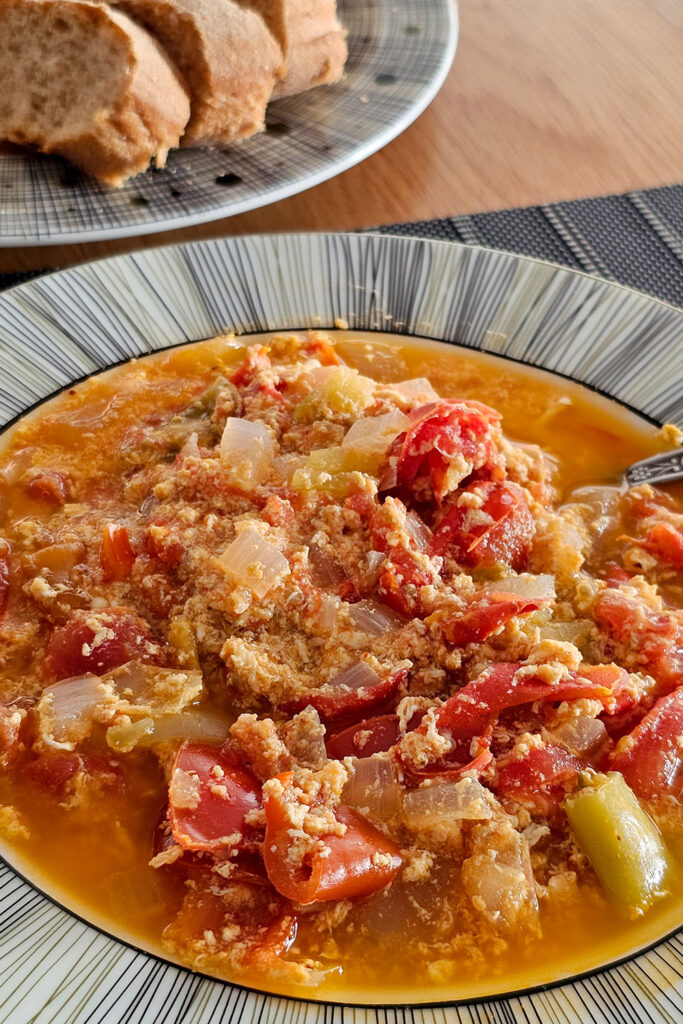
What I love most about lecsó is how easy and versatile it is. It’s affordable, quick, and can be made in so many ways. It’s perfect for vegetarians if you stick to the veggies, but for those who like a heartier version, just add some sausage and eggs – yumm!
Lecsó is casual, comforting, and honest – the kind of dish that captures the simple, flavorful heart of Hungarian home cooking. It’s a bit of a shame, in my opinion, that not many restaurants have lecsó on their menu, even though it’s such a Hungarian classic. If you want to give it a try, Gettó Gulyás serves an excellent version that tastes just like homemade. I also recommend this restaurant in general for classic Hungarian dishes – it’s located in the Jewish Quarter, in a convenient spot near downtown Budapest.
Street Food & Market Favorites
While Hungary is famous for its rich, hearty dishes, some of the country’s most memorable bites aren’t found in fancy restaurants – they’re waiting for you at markets, fairs, and tiny food stalls scattered across Budapest. This is where you really taste everyday Hungarian life. Let’s see now a few street favorites you will want to try!
Lángos – Hungary’s Favorite Street Food
If there’s one Hungarian food that you simply can’t miss when you’re in Budapest, it’s lángos. You’ll smell it long before you see it – that unmistakable aroma of deep-fried dough floating through the air at markets, festivals, and lakeside food stalls in summer all across Hungary.
At its simplest, lángos is a golden, crispy-yet-fluffy deep-fried flatbread made from a soft yeast dough. Fresh out of the oil, it’s brushed with garlic oil, then generously topped with sour cream and grated cheese – this is the classic combo that never fails. But Hungarians love to get creative, so you’ll often find versions with ham, sausage, or even pizza-style toppings piled high.
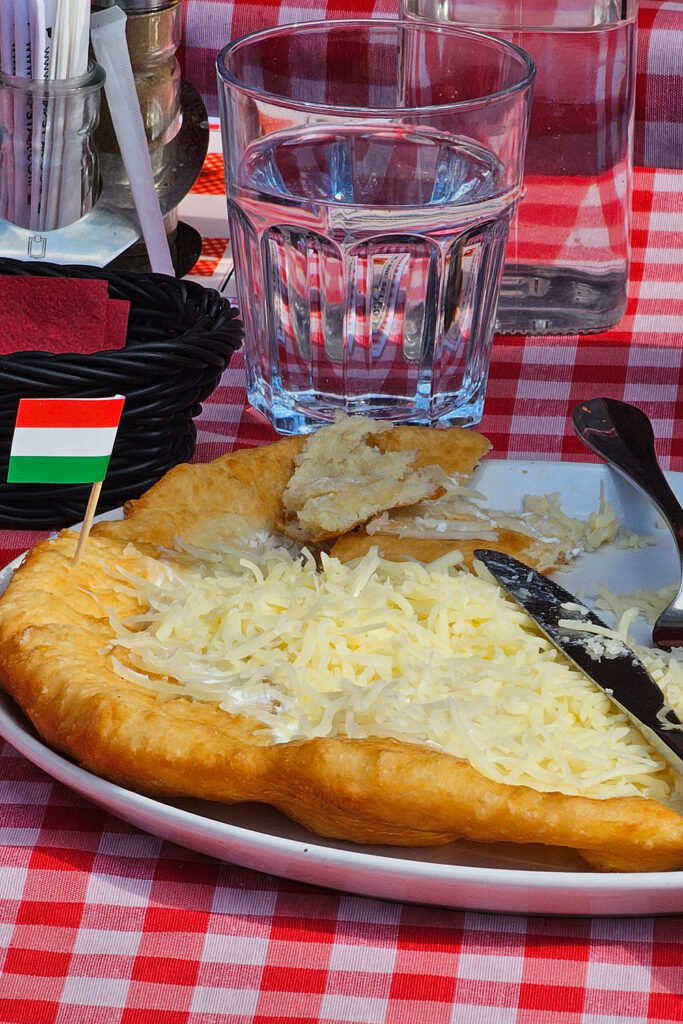
That said, I still vote for the classic. In my opinion, ham or sausage is just too intense – they overpower the actual taste of the lángos. The magic lies in its simplicity: crispy dough, creamy sour cream, a little bit of garlic, and melted cheese… that’s all you need.
And lately, some places have started making lángos with sweet toppings like Nutella, banana, or whipped cream, turning it into a sugary treat. Honestly? I don’t get this trend. Maybe it’s because I grew up knowing lángos as a savory food, and I can’t unsee it that way. My advice? If you’re in the mood for something sweet, skip the Nutella lángos and get yourself a proper kürtőskalács (chimney cake) instead – the next one on our list!
The good thing about lángos is that it’s available at so many spots that you’re bound to bump into one sooner or later. I personally like “A Lángosos” on József Attila Street 22 (District V), close to St. Stephen’s Basilica – they still serve the classic versions at realistic prices, unlike many of the overly touristy stands. And if you have the chance, visit one of the smaller, traditional markets like Lehel Market or Fény Street Market, where you can still find authentic lángos just like locals enjoy it.
Hurka And Kolbász – Liver & Smoked Sausages
No Hungarian market visit is complete without the irresistible smell of sizzling hurka and kolbász. These two are the stars of the traditional disznótor – the pig slaughter feast that’s been part of Hungarian countryside life for centuries.
In this case, sausage is not the smoked and dried type of sausage (like Gyulai and Csabai sausage) that you can eat straight out of the packaging. Disznótoros kolbász is the freshly made kind – a juicy, spicy sausage that must be baked before eating. It’s made from minced pork seasoned with garlic, salt, pepper, marjoram, caraway seeds, and a generous amount of paprika. The mixture is stuffed into natural casings and cooked until golden brown.
Then there’s hurka, its equally beloved companion. There are two main types – májas hurka (liver sausage) and véres hurka (blood sausage). Both are made from pork, rice, and spices, giving them a softer, richer texture and a deep, comforting flavor.
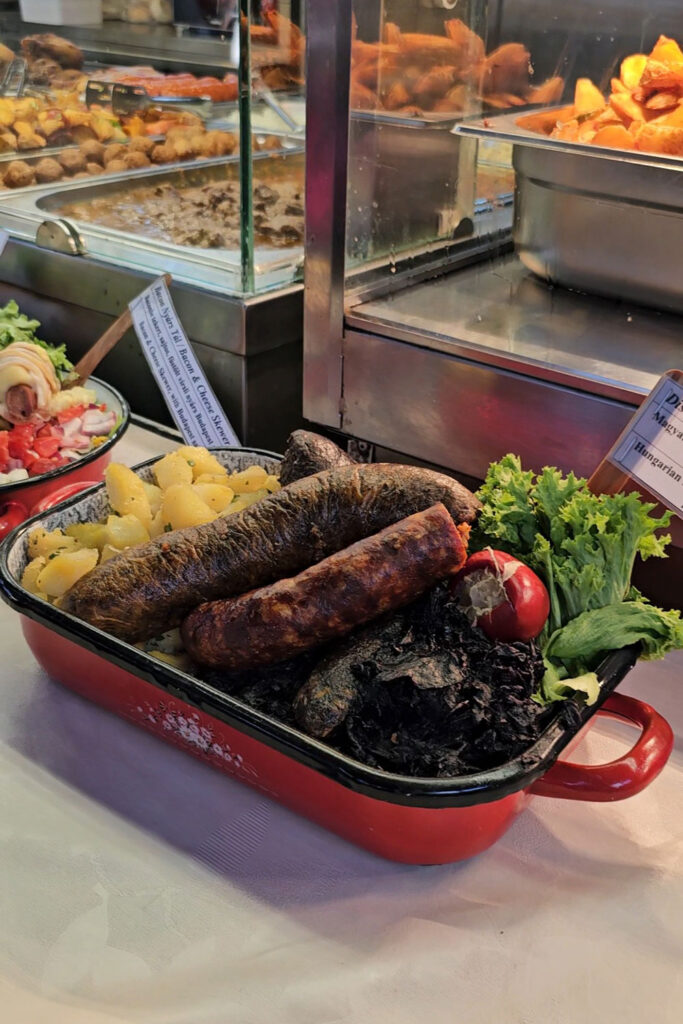
The two are usually served together, often with sauerkraut, mustard, pickles, and a slice (or two) of fresh bread. It’s the kind of hearty meal that warms you from the inside out, especially on a chilly winter day. Honestly, eating hurka and kolbász is a messy yet intensely flavorful experience – but it’s also the one that instantly makes you feel like a local!
If you want to try these authentic countryside flavors, keep an eye out for disznótoros platters on menus! You’ll usually find them at markets or small street stalls, more traditional restaurants and butcher-style eateries. Sometimes they’re served just as I described above, with fresh bread, but other times they’re turned into a full meal with potatoes and pickles
Kürtőskalács – Chimney Cake, The Sweet Spiral You Can’t Resist
Sweet, golden, and impossible to resist – kürtőskalács, chimney cake in English, is one of those Hungarian treats that pulls you in from a distance. Believe me, once you catch that warm, caramelized smell wafting through the streets, there’s no escaping it!
Originally, kürtőskalács comes from Transylvania (today part of Romania), where it has deep roots in Hungarian-speaking regions. Over time, it became a staple sweet across Hungary, especially at fairs, markets, and Christmas stalls. Traditionally, it was baked over glowing coals on wooden spits, slowly turning until the sugar melted into a shiny, caramel crust. These days, most are made in modern electric ovens for safety reasons, but at outdoor events, you can still find the real fire-roasted kind.
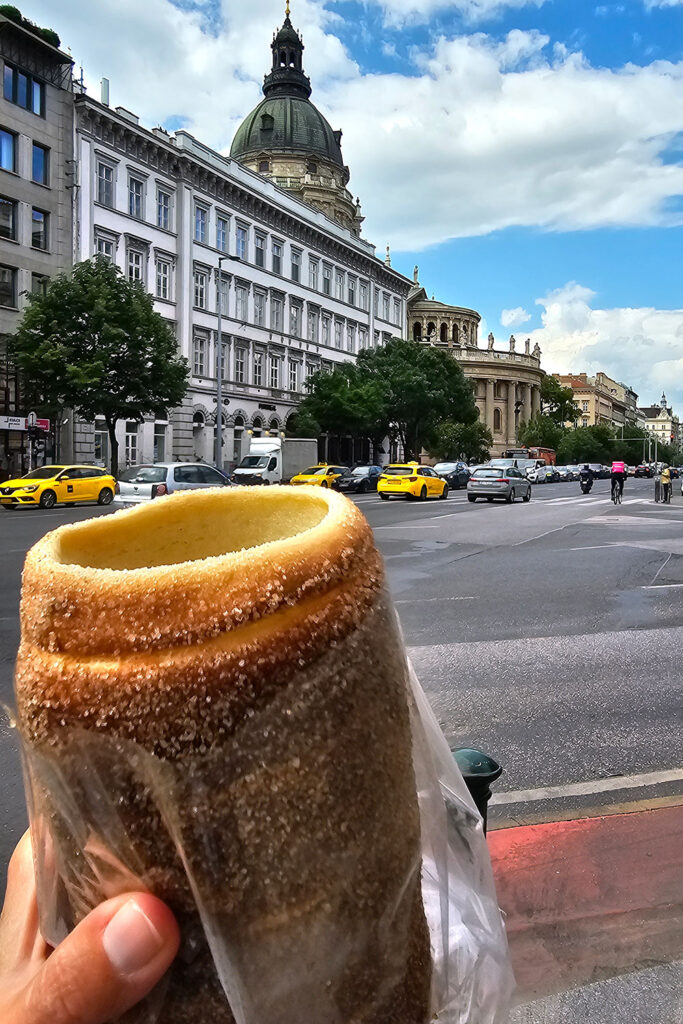
You can buy chimney cake all over Budapest, but shops at tourist hotspots are definitely overpriced. I recommend smaller vendors, street and underpass kiosks, like Fitzkey Chimney Cake, which has a kiosk right at the end of Andrássy Avenue. Their cakes are fresh, delicious, and reasonably priced — last time I bought one, it was around 1,000 HUF (about €2.5) for a whole cake, which is quite fair by Budapest standards.
Flavor-wise, I say stick to the classics – vanilla sugar, cinnamon, cocoa, walnut, or coconut. Those are the real deal. Lately, you’ll see new versions stuffed with pistachio, Nutella, or even ice cream, but if you want to taste the true kürtőskalács experience, choose the classics. It’s sweet, simple, and one of those treats that makes wandering around Budapest just a little bit more magical, especially during the colder months.
Sweet Traditions & Café Delights
After all that hearty food and irresistible street snacks, it’s time for something sweet, because no Hungarian food journey is complete without a stop (or two) at a classic cukrászda (pastry shop).
Hungary has a long and proud dessert tradition, deeply rooted in the Austro-Hungarian coffeehouse culture. Think elegant slices of cake, flaky pastries, and sweet rolls that pair perfectly with a strong espresso or a frothy melange. So, what to eat in Budapest if you have a sweet tooth? Let me recommend some classic Hungarian delights that you simply shouldn’t miss.
Dobos Torte – The Queen of Hungarian Cakes
Dobos torta is one of those “you either love it or you don’t” kind of desserts. For many Hungarians (myself included), it’s the absolute favorite – the go-to cake for birthdays, family celebrations, and any occasion that calls for something a bit special. But others, even some locals, don’t quite get the hype. And to be fair, I get it: it’s rich, buttery, and sweet enough to make your teeth tingle.

Created in the late 1800s by confectioner Dobos C. József, this elegant cake was first introduced at the 1885 National Exhibition in Budapest. At that time, it was revolutionary: layers of soft sponge cake filled with silky chocolate buttercream, topped with a smooth, caramel glaze that gave it both its signature shine and crunch.
The caramel top wasn’t just for decoration either; it was invented to help keep the cake fresh longer, which made it perfect for travel and storage in the days before refrigeration.
You can find Dobos torta in most pastry shops and cafés around Budapest, and it’s still made in the traditional way – glossy caramel top and all. If you’re in Hungary and want to taste a true piece of culinary history, this is the one to try; who knows, it might just become your new favorite.
Rétes – Hungarian Strudel
With its paper-thin, flaky layers and generous fillings, Hungarian strudel (rétes) is one of those pastries that’s simple yet impossible to stop eating once you start. The story of it goes way back to the Austro-Hungarian Empire, when it became a shared favorite across Central Europe.
It actually predates the better-known Viennese strudel – and Hungarians quickly made it their own, developing a knack for stretching the dough so thin you could almost read a newspaper through it (a true art form that takes years to master).
You’ll mostly find rétes as a sweet treat, with classic fillings like apple (almás), cherry (meggyes), sweet curd cheese (túrós), or poppy seed (mákos). But there’s also a savory version with cabbage (káposztás rétes), which might sound a little unusual at first, until you try it. It’s deliciously flaky and perfect as a snack.
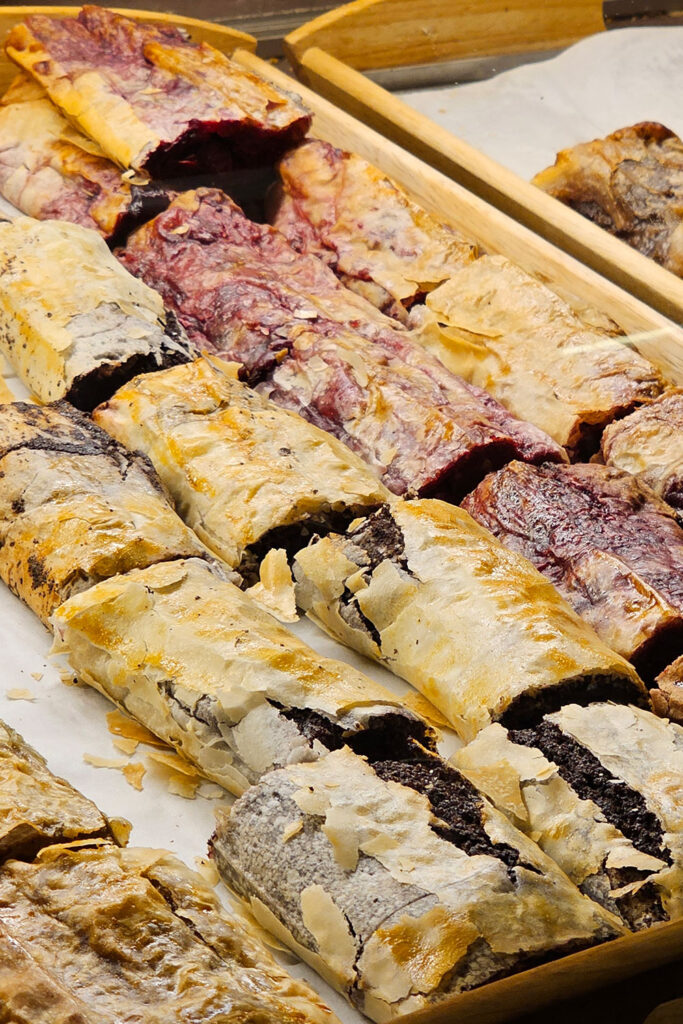
These days, you can get rétes almost anywhere – in bakeries, at markets, and even in some supermarkets. But if you want to taste a really good one, I recommend heading to Rétesvár in the Buda Castle District. It’s a charming little spot, perfect for a quick stop while wandering around Fisherman’s Bastion or Matthias Church. Grab a slice (or two) with a cup of coffee or tea, and enjoy it while soaking in those castle views.
Bejgli – The Hungarian Christmas Roll That Steals Hearts
Ah, bejgli, the ultimate Hungarian holiday treat. If you’re visiting Budapest around Christmas, you’ll see it everywhere: cafés, pastry shops, and even supermarkets.
Originally, bejgli comes with either walnut or poppy seed filling – the classics that instantly feel festive. But lately, you’ll also find versions with almond or chestnut, which are delicious in their own right. Honestly, as long as it’s sweet and rolled, it fits perfectly with the Christmas spirit.
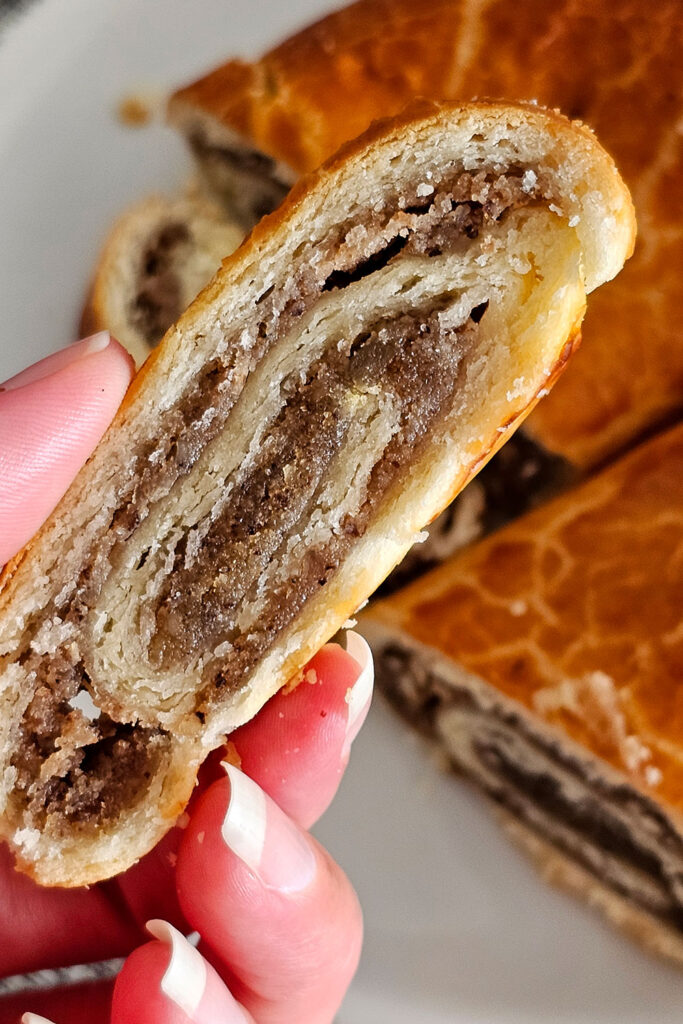
Buying it ready seems easy, for most Hungarians, there’s nothing quite like making it at home. There’s a certain pride in rolling up your own dough, filling it generously, and getting it into the oven without it bursting open.
And let me tell you, the most common reason for a cracked bejgli? Too much filling! If you overstuff it, the pastry almost disappears under the weight of walnuts or poppy seeds. Getting that perfect balance feels like a small victory every Christmas.
Making or tasting bejgli is like a little bite of Hungarian holiday magic – and if you try it fresh from a local bakery, you’ll understand why this pastry has been a Christmas staple for generations.
Palacsinta – Hungarian Crepes Filled with Joy
When in Hungary, you might see palacsinta translated as “pancakes” – but don’t be fooled! They have nothing to do with the thick, fluffy American-style pancakes. Think instead thin, delicate crepes, perfect for rolling, folding, or stacking.
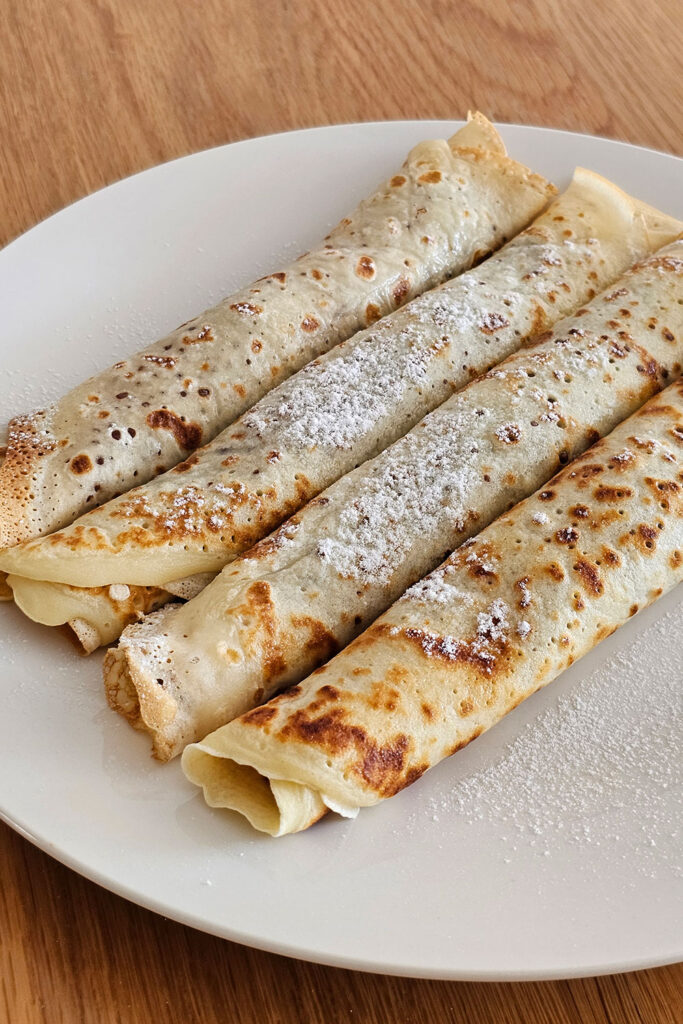
The classic sweet fillings are jam, cocoa powder (lately Nutella), or túró (sweetened curd cheese). There’s also a savory version called Hortobágyi palacsinta, where crepes are stuffed with meat, usually veal or chicken, covered in a rich paprika sauce, and baked in the oven. A totally different experience, but equally iconic.
For most of us, palacsinta also holds some of the best childhood memories: cousin competitions to see who could eat the most, while our grandma happily baked them all morning, sometimes 100 or more at a time! There was always a sweet chaos in the kitchen – the smell of butter, sugar, and jam filling the air, and everyone sneaking a taste before breakfast was even finished.
Bakery Staples & Everyday Favourites
What are the must-try favorites in Hungary locals actually eat every day? Let’s dive into some all-time favourites that fill our mornings with the smell of fresh dough and a little bit of nostalgia. Whether it’s a quick breakfast on the way to work, a sweet treat with coffee, or something to nibble on during a lazy afternoon, here are some simple bites that are part of daily life.
Kakaós Csiga – The Chocolate Swirl Every Hungarian Grows Up With
If there’s one pastry that every Hungarian has an emotional connection to, it’s kakaós csiga – literally “chocolate snail,” though don’t worry, there are no snails involved! It’s a soft, swirly pastry filled with rich cocoa filling, often slightly sticky on the inside and golden on the outside. You’ll find it in every bakery, school cafeteria, and office breakfast table across the country.
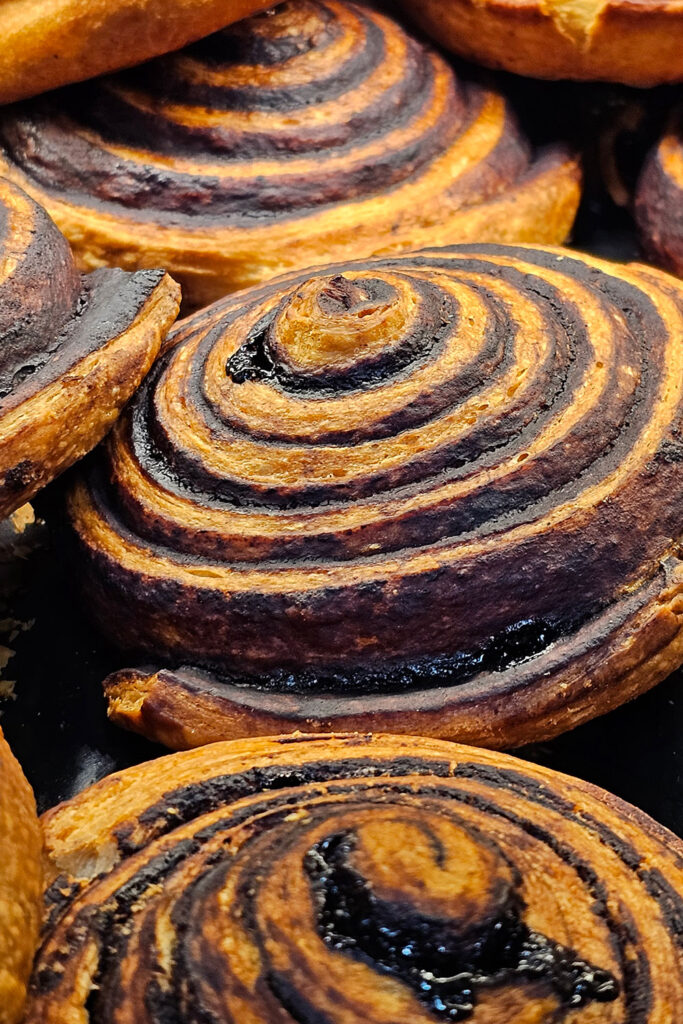
There’s also an unspoken national debate about the correct way to eat it. Honestly, we Hungarians can’t help but judge a little if someone just bites into it like a sandwich without realizing the opportunities it holds. Some people start unrolling it from the outside, saving the best part, that gooey, chocolate-packed middle, for the grand finale. Others go straight for the center first, enjoying the juiciest bite right away and leaving the drier edges (or not eating them at all).
So, if you visit Hungary and try a kakaós csiga, let me know: are you a “center-first” or “save-the-best-for-last” kind of person? You can find kakaós csiga in pretty much every bakery, and even the supermarket versions aren’t bad for a quick fix. But for a truly fresh and fluffy one, go for a local bakery where they bake them on-site in the morning – the smell alone will lure you in.
Kifli – Our Crescent-Shaped Classic Pastry
Before croissants became trendy, Hungarians already had kifli – a crescent-shaped roll that’s buttery, slightly salty, and endlessly versatile. While most countries have their standard rolls and buns, we came up with something a bit different: a crescent-shaped, croissant-sized roll that’s perfect for breakfast or a late afternoon snack. Though we also have the classic bun, which we call zsemle.
Fresh out of the oven, it’s a little piece of heaven. You can enjoy it sweet with butter and jam, or savory with cold cuts and cheese – the options are endless. My personal favorite? The salty version, sós kifli, eaten just as it is. Somehow, it tastes amazing on its own, and it’s the perfect companion for a cup of coffee or tea.
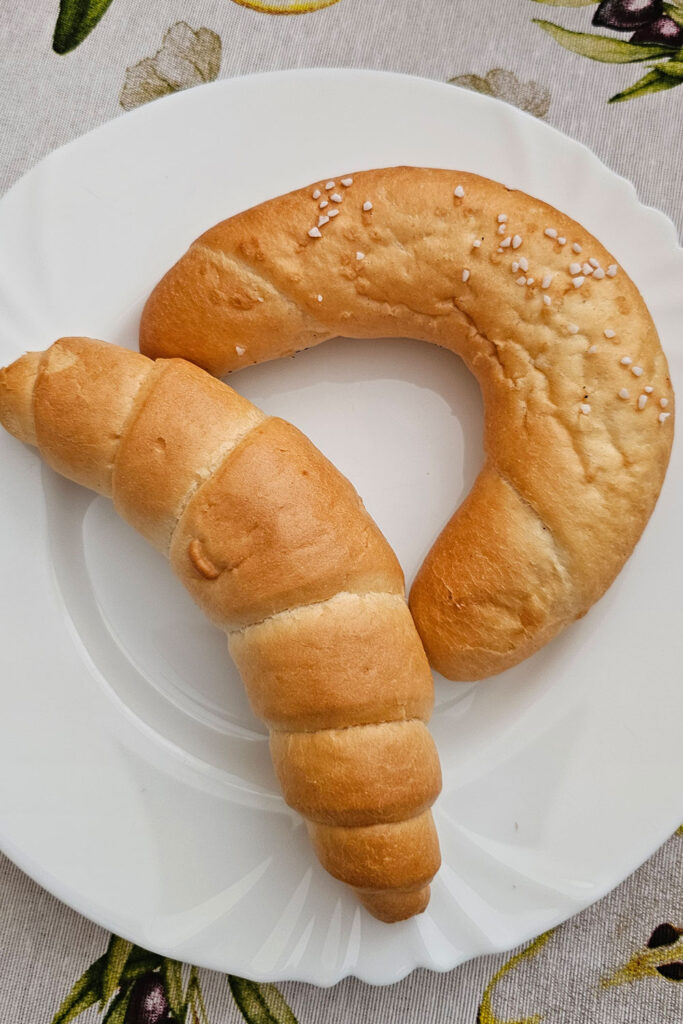
Kifli is more than just a breakfast basic – it’s part of daily life in Hungary. Grab one fresh, and you’ll quickly see why this simple, crescent-shaped roll has been a staple for generations.
Pogácsa – Hungary’s Beloved Savory Bite
If Hungarian cuisine had a “national snack,” it would probably be pogácsa. These small, round, golden biscuits are flaky, buttery, and absolutely addictive. Perfect for breakfast, as a snack with coffee, or even as a quick bite on the go.
In Hungarian folk tales, heroes about to set off on long journeys were often given pogácsa not just to have something to eat along the way, but to help them succeed on their quest. This is probably why pogácsa became a symbol of luck, and why even today, when you visit your mother or grandmother, this is the snack that’s always on the table — and you always leave with a bag to take home!
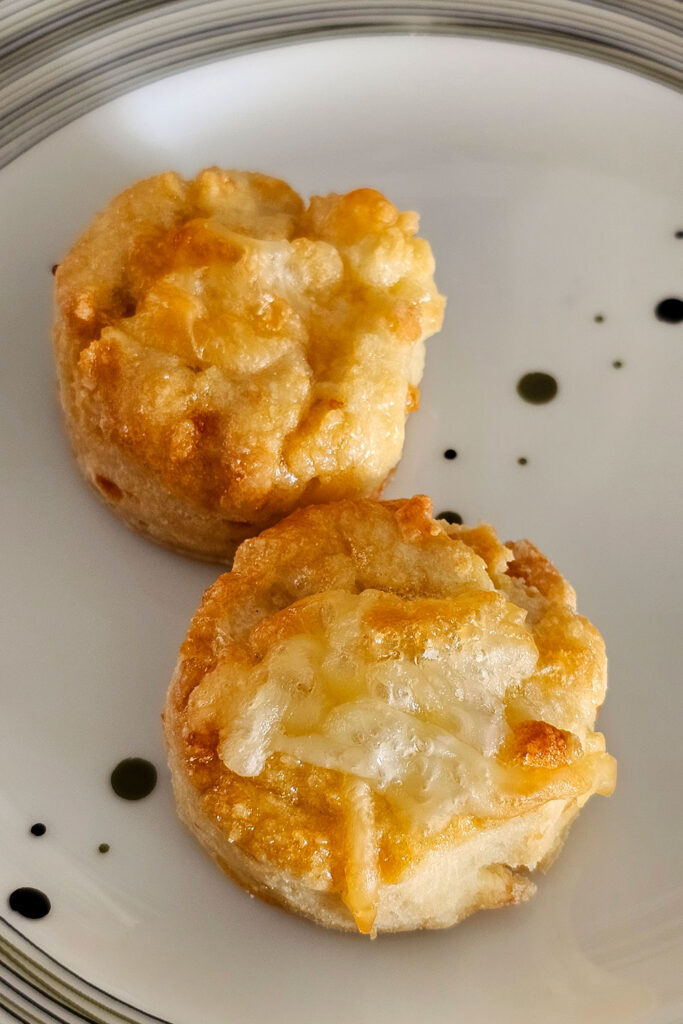
The classic versions are bite-sized, made with cheese, curd, potatoes, or pork cracklings (sajtos, túrós, burgonyás or tepertős pogácsa). Nowadays, you’ll also see larger, sandwich-size versions in supermarkets, which have become one of our favorite breakfast pastries – perfect for munching alongside a cappuccino.
For locals, pogácsa is more than just a snack – it’s part of everyday life. Some even guard their secret recipes, tweaking the dough or sprinkling a little extra topping just to make it unique. You’ll often see it at family gatherings, office meetings, or picked up fresh from the bakery for an impromptu picnic in the park. The golden, buttery aroma alone is enough to lure you in, and once you take that first bite, you’ll understand why this humble pastry is a Hungarian favorite.
Túró Rudi – Our Ultimate Go-To Treat
The classic Hungarian sweet everyone loves. Túró Rudi, this sweet, creamy curd cheese (túró) with chocolate coating is what we usually want whenever we’re craving something sweet – but not too sugary. It’s light, tangy, and just the right balance between refreshing and indulgent.

There are many versions today – with milk chocolate, strawberry filling, or even coconut – made by different brands. But for the original experience, go for the classic Pöttyös Túró Rudi, with its signature red polka-dotted wrapper and dark chocolate coating. It’s been a household favorite for decades.
If you want something even creamier, my personal number one pick is the Cserpes Túró Rudi – their dairy quality is top-notch, and it has that rich, homemade taste that reminds you why Hungarians are so nostalgic about this treat.
You’ll find this curd cheese-based, chocolate-glazed snack in (almost) every supermarket, usually in the refrigerated dairy section. Try one – it’s a small but iconic bite of Hungarian happiness.
Pick Téliszalámi – Hungary’s Most Famous Cold Cut
If there’s one Hungarian food that has truly made its name abroad, it’s Pick Téliszalámi. This iconic, dry-cured salami has been produced in Szeged since the 1800s and is still made using a traditional recipe. It’s rich, smoky, and slightly tangy – the kind of flavor that only comes from being aged to perfection and coated in its signature white mold layer.
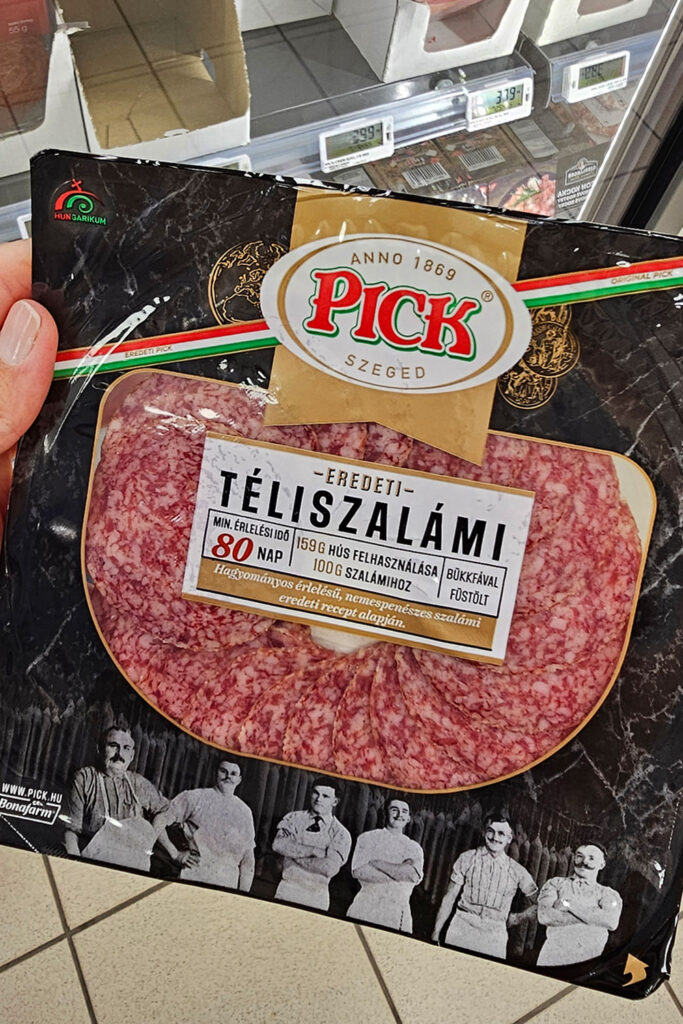
Hungarians usually enjoy it sliced thin, often as part of a simple sandwich with fresh bread, butter, and cheese, or on a cold platter with pickles and vegetables. It’s a staple for breakfast, picnics, or even as a quick snack whenever you get hungry.
If you’re looking for an easy and delicious souvenir from Hungary, this is it. Pick Téliszalámi is vacuum-sealed and keeps well without refrigeration. You can buy it as a whole log (which lasts the longest and is perfect for traveling) or pre-sliced in sealed packaging if you want something more convenient. It’s available in supermarkets, souvenir shops, and even at Budapest Airport’s duty-free stores – the perfect way to bring a little authentic Hungarian flavor back home.
Closing Thoughts: A Local’s Food Guide to What to Eat in Hungary
So there you have it – a delicious introduction to what to eat in Hungary, straight from someone who grew up tasting (and loving) all of it. From hearty gulyás and paprika-scented stews to flaky pastries, crispy lángos and full-of-chocolate Dobos cake, Hungarian food is all about comfort, flavor, and a touch of nostalgia in every bite.
If you’ve made it this far, consider this your personal Hungarian food guide – one that invites you to taste, explore, and fall in love with the flavors that make Hungary so unique. So next time you’re in Budapest and wondering what to eat first, follow your nose, your curiosity, and maybe a few of these tips… and you’ll discover that Hungarian cuisine is every bit as warm and welcoming as the people who make it.
And, if you want an extra insider experience, check out these food tours and activities to taste the city’s best flavors, wines and treats!